
Support After Perinatal Loss
It is important not to be alone in your grief.

Perinatal loss is an issue that affects every fourth or fifth family. Learn more about grief and how to support yourself or your loved ones.

What is Perinatal Loss?


Perinatal loss is a tragic event involving the loss of a baby at various stages of pregnancy or shortly after birth. It may include:

  • abortion;
  • intrauterine fetal demise at any stage of pregnancy;
  • preterm birth and death during labor or within the first hours of life;
  • stillbirth;
  • early infant death during the first week or the first month of life (neonatal death).
According to WHO estimates, approximately 15 million babies worldwide are born prematurely every year; one million of them die due to complications.

Why is this topic important?


Perinatal loss remains a subject that is often avoided in society. This happens because such losses feel unnatural: parents should not have to bury their children. Consequently, it is a deeply painful and particularly delicate topic. This leads to most families grieving in isolation, without proper support. However, everyone deserves compassion, empathy, and help.

Key Facts:

  • 20-25% of pregnancies end in the loss of a baby;
  • Preterm birth is the leading cause of death among children under the age of 5;
  • The loss of a baby can happen to any family; it is much closer to us than it seems.
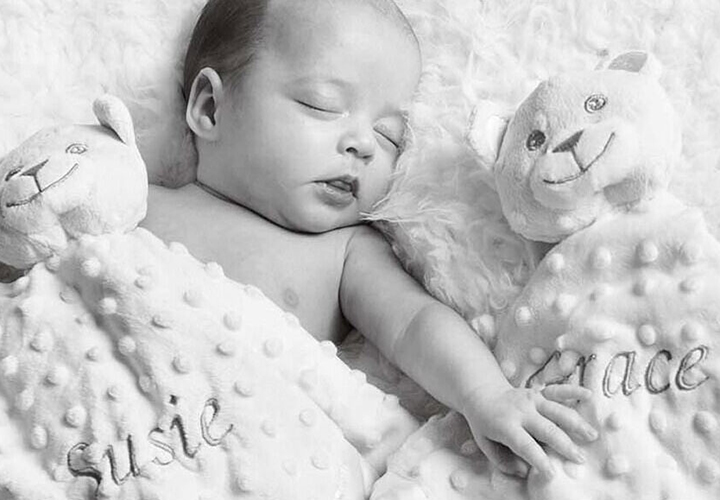
October is recognized as Pregnancy and Infant Loss Awareness Month, and October 15th is the Remembrance Day for babies who died too soon.

How to support those who have lost a child?


The most important aspects of communicating with a family that has experienced loss are respect, sensitivity, and support.Here are several simple but important recommendations:

  • Say: “I am so sorry,” or “I am here if you need anything,” instead of “Everything will be fine,” “Pull yourself together,” or “You can have another baby.”
  • Do not avoid the conversation or change the subject.
  • Offer support, but do not insist if the parents decline.
  • If you do not know what to say, it is okay to say nothing. Simply hugging a grieving person can already be meaningful — a way of saying, “I am with you.”
The first moments after a loss are crucial, and the quality of psychological support provided in hospitals can significantly affect the level of trauma experienced by the family. A sensitive and informed approach can help parents find the strength to continue living and reduce the risk of long-term harmful consequences for the family. Much depends on who is nearby and how knowledgeable they are in providing support after informing parents about the death of their baby.

Supporting Men After Loss


Men also experience the loss of a child, although this often remains unnoticed. Society frequently places pressure on men to hide their emotions. However, both parents need support.

Men may sometimes experience the most acute stage of grief later, after the initial attention from others has decreased and/or after they feel they have fulfilled their role of supporting their partner. The peak of pain may come several months later, and this is a normal part of grief.

Recommendations:

  • Communicate with each other about the loss within the couple (and with trusted loved ones);
  • It is essential to acknowledge that men also have the right to grieve;
  • Grief can manifest in different ways and through various stages, ranging from tears and sadness to increased irritability or aggression.

How Can We Help?


Our organization provides comprehensive support to families who have lost a baby:

  • Psychological and informational assistance following the news of a child's death at any stage of pregnancy.
  • Psychological counseling during high-risk pregnancies with the threat of preterm labor.
  • Support during a subsequent pregnancy (pregnancy after loss) to help reduce anxiety.
  • Support for families who have lost a baby shortly after birth.
We also provide memory boxes and textile sets for the smallest babies, allowing parents to say goodbye to their little ones with dignity.

Online Support


We have created a private Facebook group, “Angels. Support for Families Experiencing Perinatal Loss,” where bereaved parents can connect with others who have experienced similar loss, receive psychological support, share their stories, find emotional understanding, and access information that may help them through the grieving process.

Partner Resources and Helpful Materials


In Ukraine, professional support for families experiencing perinatal loss is provided by organizations such as Early Birds, Angel Care, Imprint of Life, Natural Rights Ukraine, Be Gentle with Yourself, and others.We are grateful to journalists who are not afraid to speak about this uncomfortable yet important topic. We are also thankful to colleagues who thoughtfully develop supportive spaces and provide care and assistance for recovery after loss.


We recommend reading the following book by our partners, which provides guidance on navigating grief:
Authors: Tetiana But, Oksana Panasenko — "How to Survive the Loss of a Child and Not Go Insane / Mother of an Angel."

We are here for you. You do not have to face this grief alone. Please reach out for help and support.